
Luffing cranes
The jib raises and lowers, so the crane works tight city sites hemmed in by buildings, other cranes or a flight path.
6 luffing cranes, 8 to 25 tonnes.
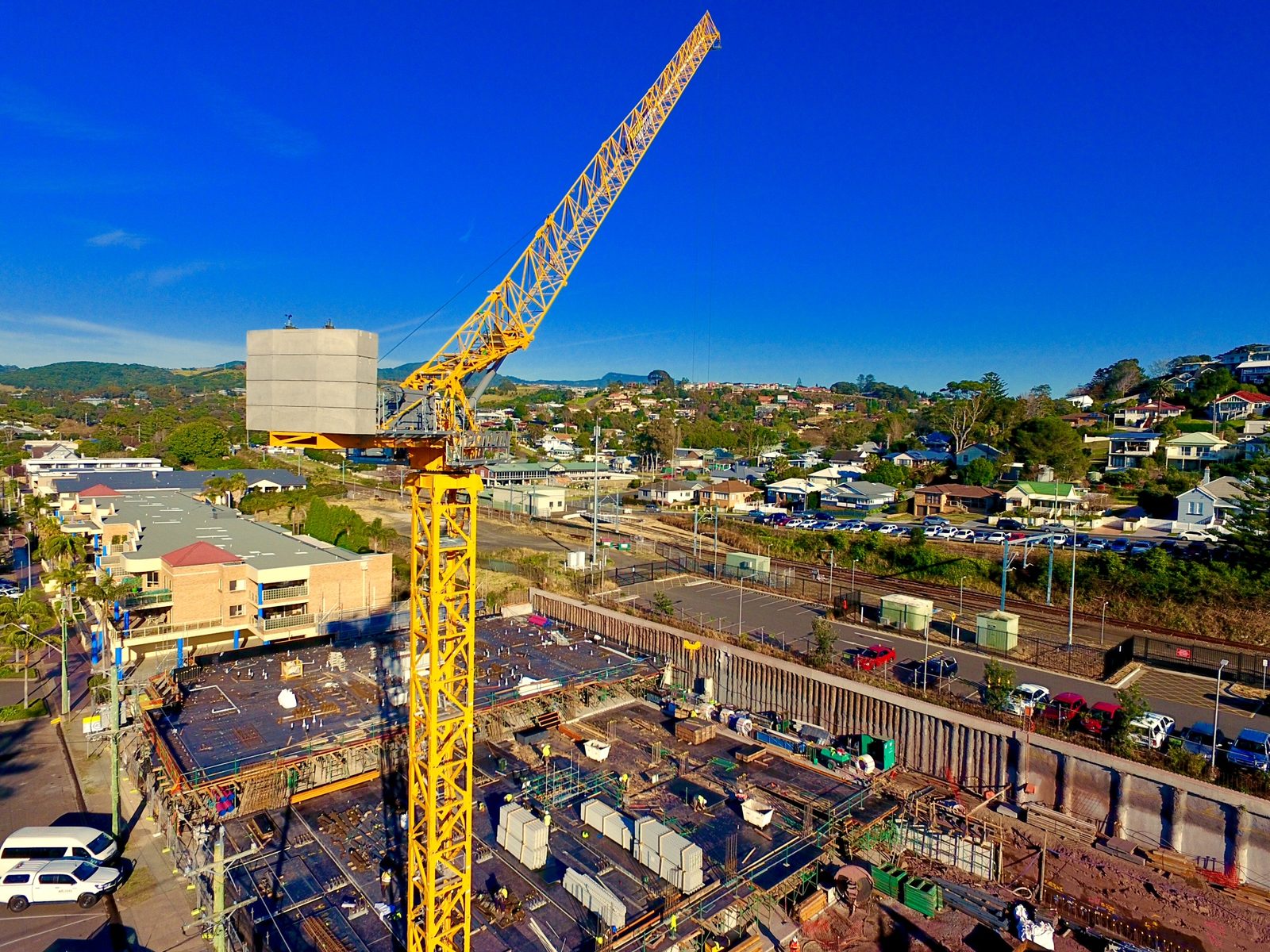
MCH125
8 tonnes on a hydraulic luffing jib up to 50 metres. A compact luffer for tight sites next to other buildings.
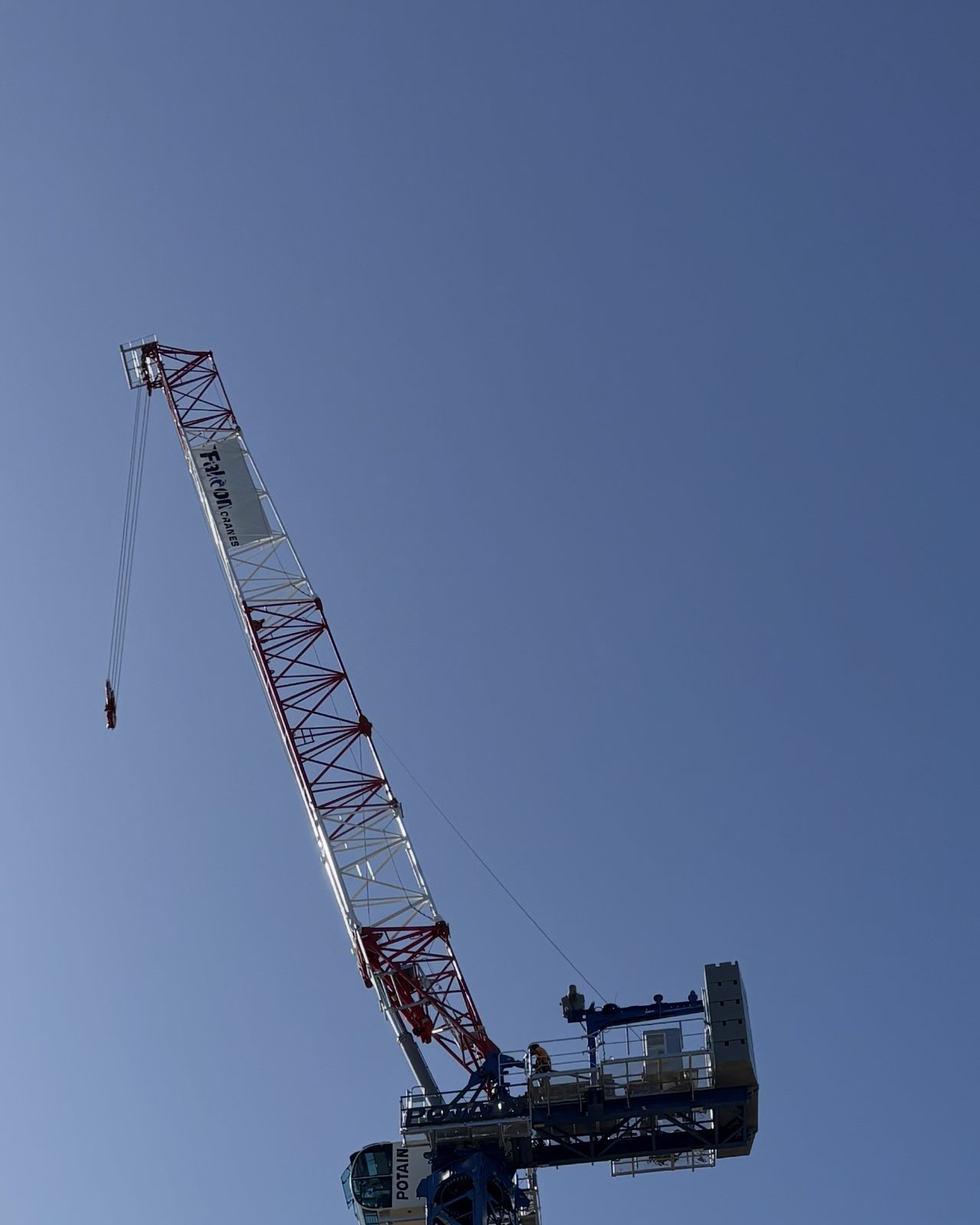
MCH175A
10 tonnes on a hydraulic luffing jib up to 55 metres. Simpler to set up on a confined site than a rope luffer.
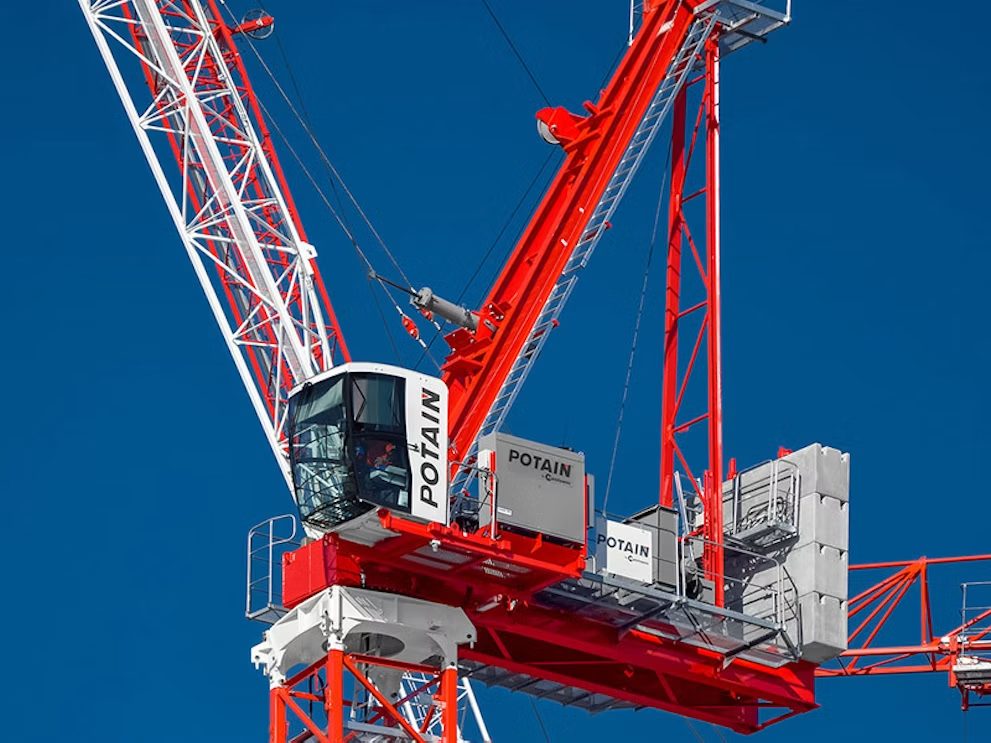
MCR225A
14 tonnes on a 55-metre rope luffing jib, for inner-city apartment and office builds.
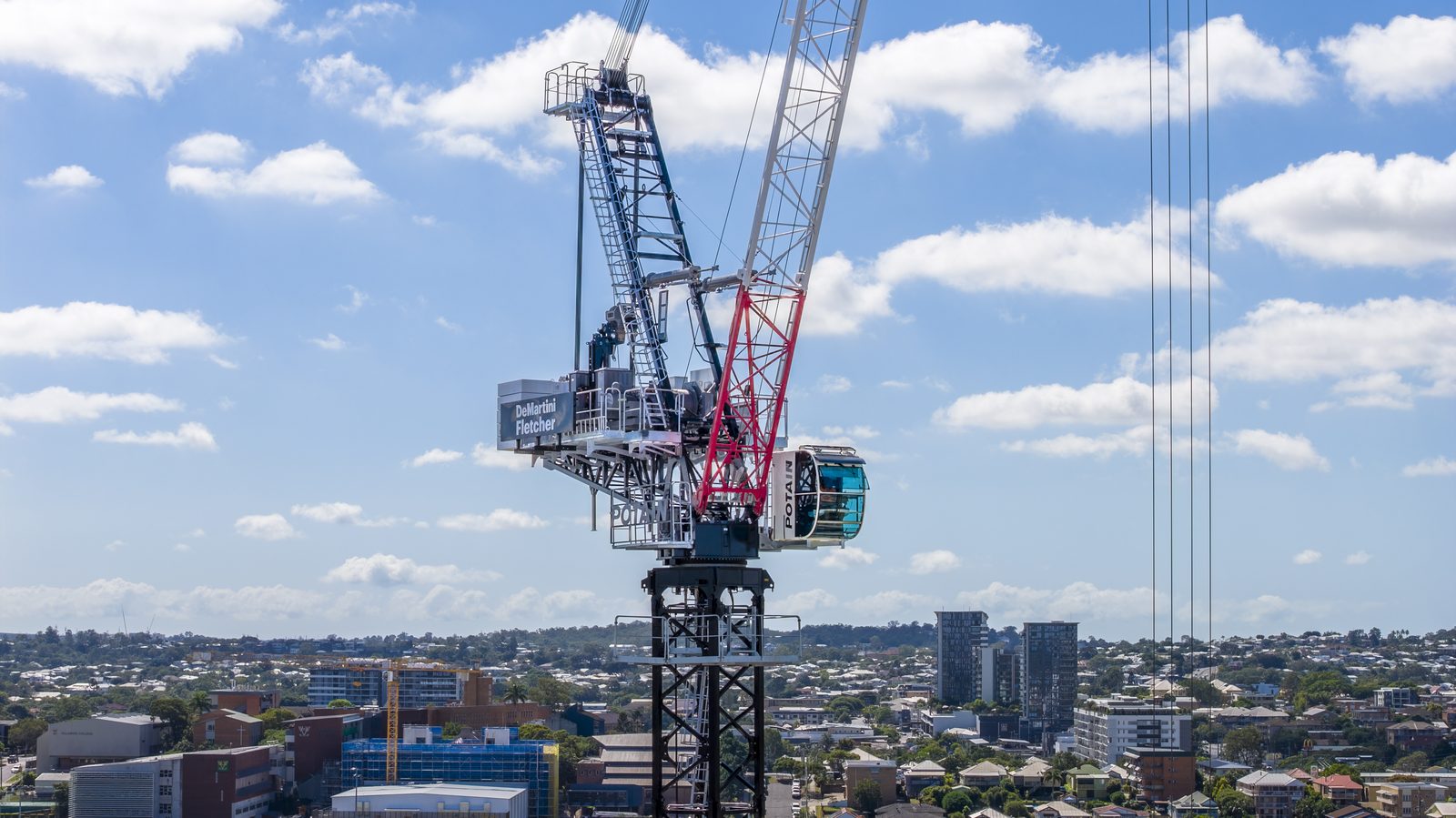
MCR305A
25 tonnes on a luffing jib up to 60 metres, for tight city sites with heavy picks close in.
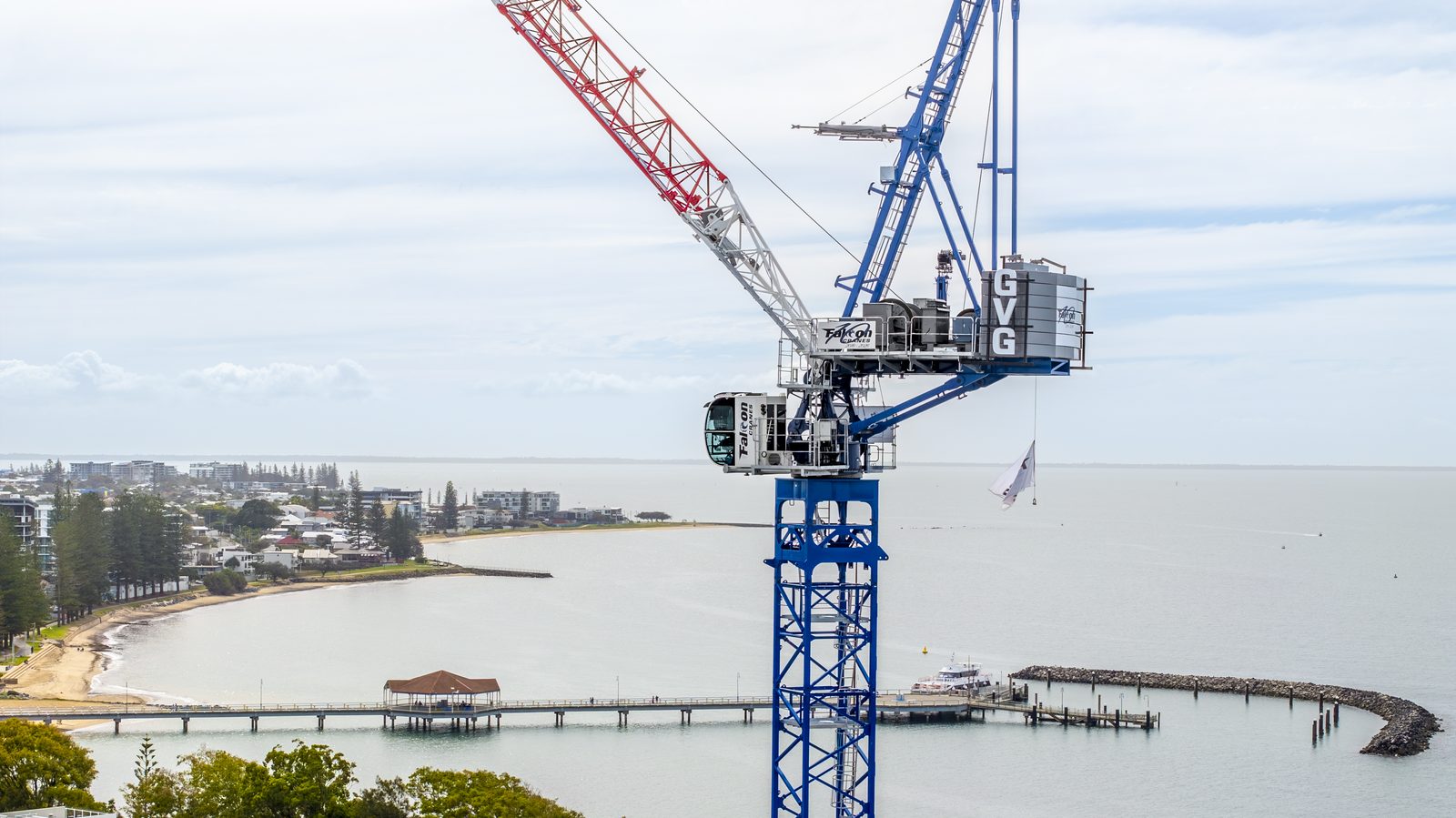
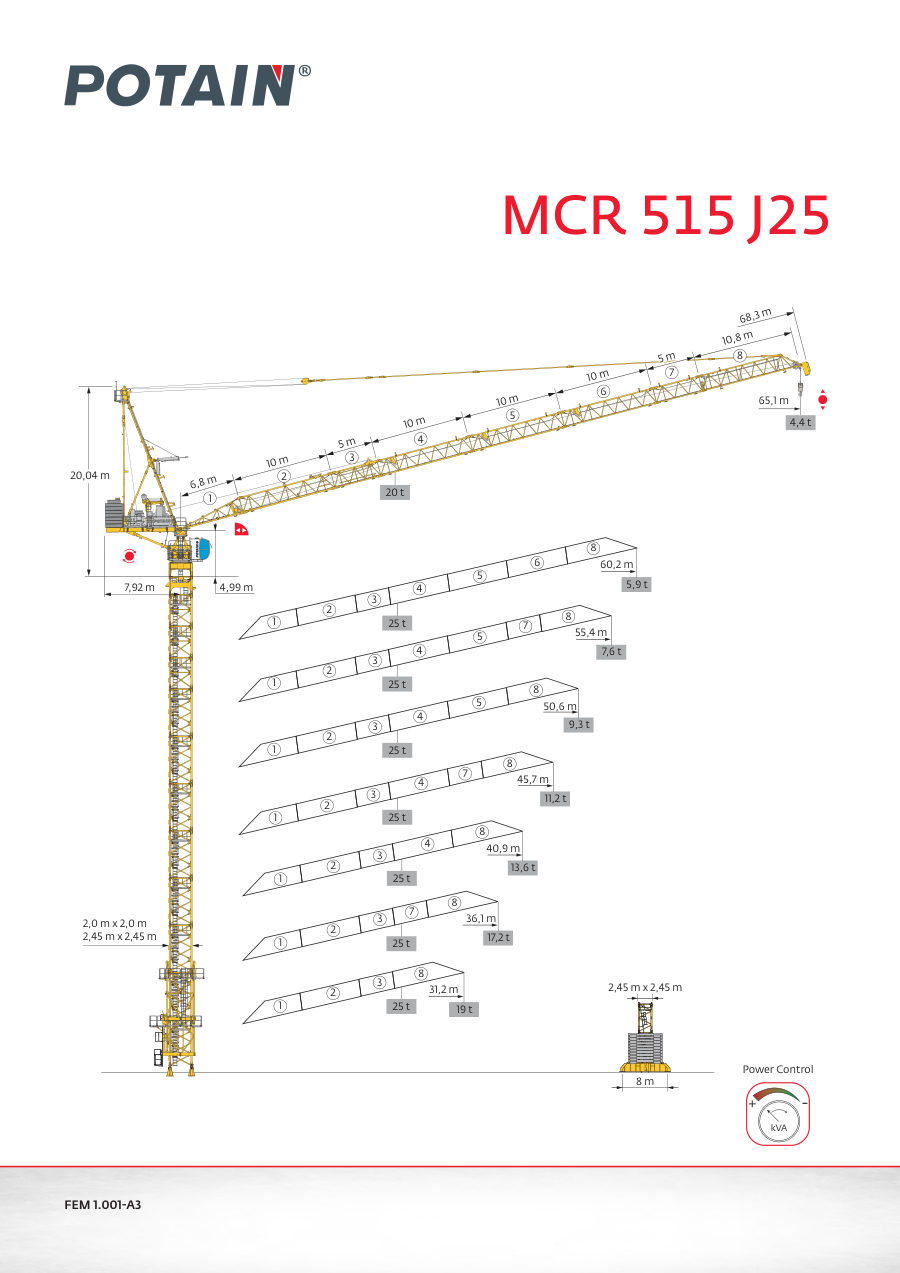
Side by side.
| Model | Capacity | Max jib | At jib end | Datasheet |
|---|---|---|---|---|
| MCH125 | 8 t | 50 m | 2 t | |
| MCH175A | 10 t | 54.9 m | 1.5 t | |
| MCR225A | 14 t | 55 m | 2.15 t | |
| MCR305A | 25 t | 60.1 m | 3 t | |
| MCR505 | 25 t | 65.1 m | 4.7 t | |
| MCR515 | 25 t | 65.1 m | 4.4 t |
Every figure is read from the Potain datasheet for that crane. Capacity is the most it lifts close in; the jib-end figure is what it lifts at the tip of its longest jib.
What these terms mean
- Luffing jib
- The jib (the arm) raises and lowers instead of staying flat. That lets the crane work tight city sites and swing its load clear of nearby buildings.
- Hydraulic luffing
- A luffing jib raised and lowered by a hydraulic ram rather than a rope winch. Compact, and quick to set up on a confined site.
- Rope luffing
- A luffing jib raised and lowered on wire rope by its own winch. This is how the heaviest luffing cranes are built.
- At jib end
- What the crane lifts at the very tip of the jib. That is the furthest reach, and the point where it carries the least.
Not sure which crane fits the job? Send us the lift and we'll size it